

Cite this working paper · DOI 10.5281/zenodo.23631057 →


Couldn't load pickup availability
- Summaries
- Videos
- Podcasts
- PowerPoints
- Glossary

Working Paper 5: The Constructivist Interpretation Theory of Emotion (Deep Dive)
Can you read a situation perfectly and still get your emotion wrong? This deep dive walks through Working Paper 5 of How to Design an Emotion by Cézjah: the Constructivist Interpretation Theory of Emotion (CITE), where appraisal, prediction, and affect narrow the possibilities and emotion arises only when an agent interprets a feeling, binding an emotion concept to it under a governing goal.

The Constructivist Interpretation Theory of Emotion (Deep Dive)
Where does appraisal end and interpretation begin? In this episode of Analyze This, two AI pundits work through Suriya Chaudhary's Working Paper 5: The Constructivist Interpretation Theory of Emotion (CITE) — how goals, interpretation, and meaning-making construct what we feel.
- Play Now
-

-

-
44:24


The Constructivist Interpretation Theory of Emotion (Value Proposition)
The value-proposition edition of Analyze This, companion to the how-it-works episode. Suriya Chaudhary directs two AI pundits through why Working Paper 5: The Constructivist Interpretation Theory of Emotion matters — what it uniquely contributes, which long-standing problems in emotion theory it resolves, and why it reshapes how we understand meaning and emotion.
- Play Now
-
-
-
47:29

Working Paper 05: The Constructivist Interpretation Theory of Emotion
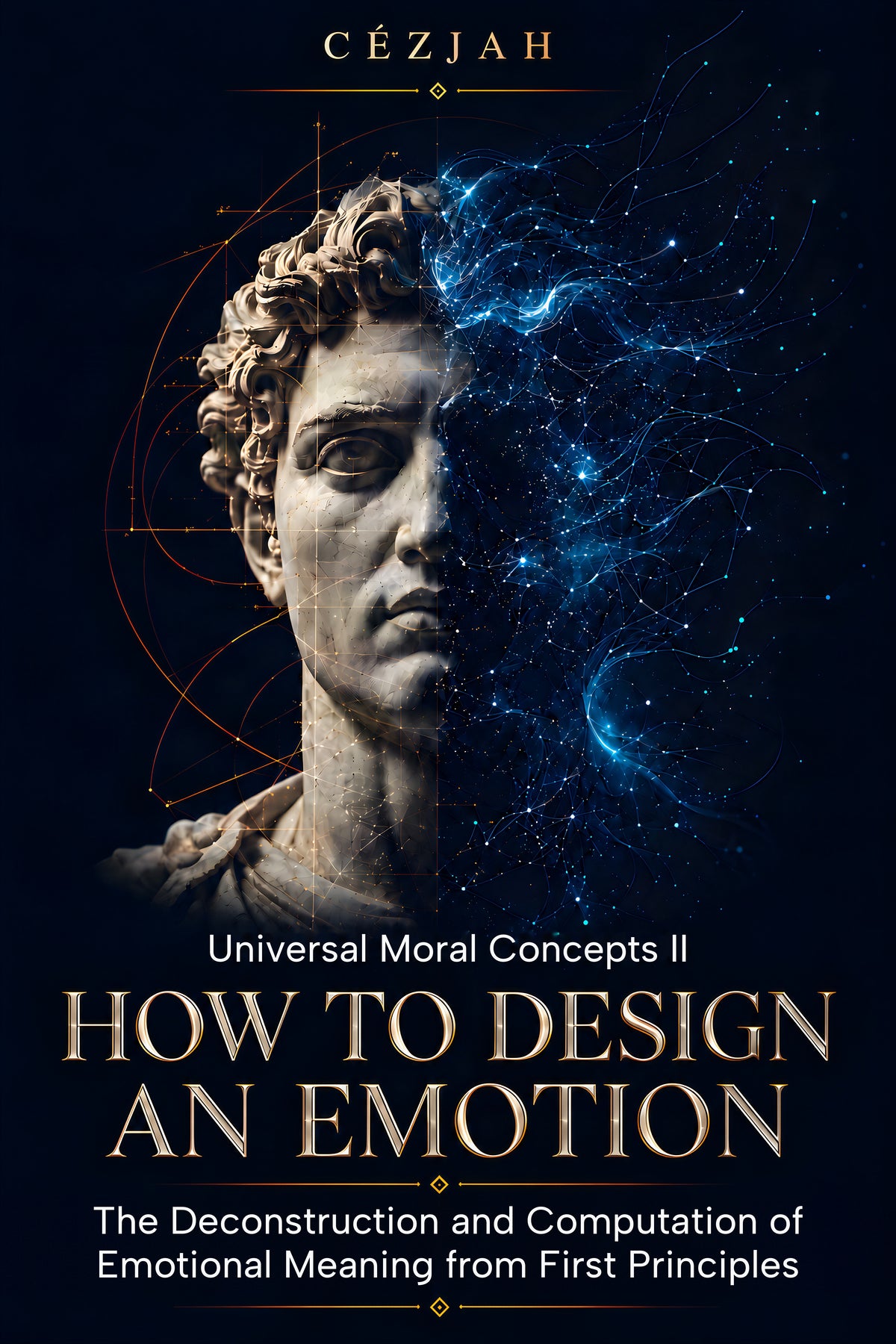
Detailed deck for Working Paper 05: The Constructivist Interpretation Theory of Emotion from How to Design an Emotion (Universal Moral Concepts II) by Cézjah (New Intellectual LLC). Appraisal theories explain how a subject evaluates what an encounter means for its goals and well-being, but not how the subject constructs a determinate emotion from the feeling that the evaluation leaves open. The Constructivist Interpretation Theory of Emotion (CITE), the interpretive thesis of the Constructivist Semiotic Model of Emotions, holds that interpretation, rather than appraisal, constitutes emotional meaning. Appraisal, prediction, categorization, and physiological affect constrain emotional possibility, and emotion arises only when an agent commits to one interpretation by binding an emotion concept to a referent under a governing goal. An agent can appraise correctly and still construct the wrong emotion.
- View Slides
-

- 16 slides
- Browse Now...
Thank You for Your Interest!
You’ve successfully signed up to be notified when the next release of The Constructivist Interpretation Theory of Emotion: Where Appraisal Ends and Interpretation Begins is available. We’re thrilled to share this journey with you and will keep you updated with the latest release information.
Stay Connected
Make sure you don’t miss any updates! Subscribe to our newsletter for exclusive release news, insights from the author, and special content directly to your inbox.
We can’t wait to share the official release of The Constructivist Interpretation Theory of Emotion: Where Appraisal Ends and Interpretation Begins with you. Happy reading!